
Let’s picture it.
Your low back and right hip have been bothering you on and off for years. You are active and it’s never bothered you *that* much during exercise. But suddenly in the last month it’s started to bother you during your favorite activities.
You decide to google what to do. Google suggests you start with PT. So you look for a therapist in your area and you stumble across Flourish’s website. You booked your first appointment through our online booking feature.
Now what?
You get our welcome email. “Your appointment is this Tuesday at 3, please wear comfortable clothing and be ready to discuss what has been going on.”
You arrive at our office and are greeted by our staff. After finishing any remaining paperwork, you meet your therapist. You spend the first chunk of your session telling them about your condition: how long ago it started, what changed last month, what aggravates it, what makes it feel better. They ask what you want to get back to pain free and you answer. They then ask you some seemingly random questions. Any bowel or bladder issues? Any pelvic pain? What is your nutrition like? What does rest look like for you? What is your sleep like? What is your stress level like?

You are surprised because you don’t see how those are related, but you answer anyway. Your therapist nods and explains how these factors may be impacting you.
They then begin with a thorough assessment of your low back and hips, including your range of motion, strength, coordination, and movement patterns, with the goal of getting to know how your body moves.

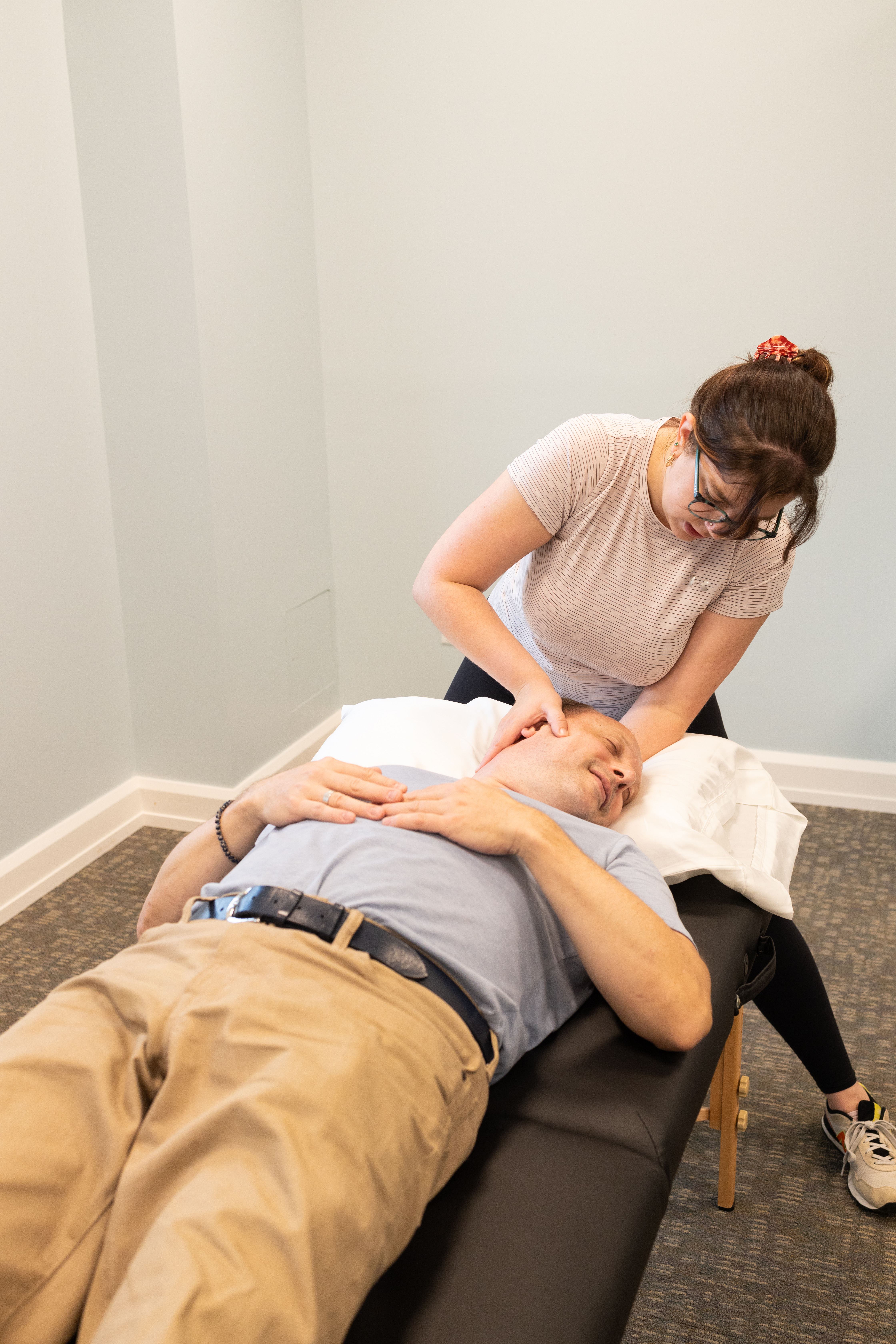
Next, they assess the area for any tenderness or tightness that you may feel, as well as how the joints in your spine, pelvis, and hips move. After that exam, they recommend that hands-on work like soft tissue or joint mobilization, cupping, or dry needling may help your symptoms. They then recommend exercises to improve the strength and mobility of certain areas based on what was found in your assessment.

You discuss how long you may be in therapy and how your treatment will progress over those weeks.
You leave feeling empowered because you have things to do that help your symptoms and you have an idea of what is going on.
Sound like what you need? Book here on our website today!
-Naomi
Leave a Reply